




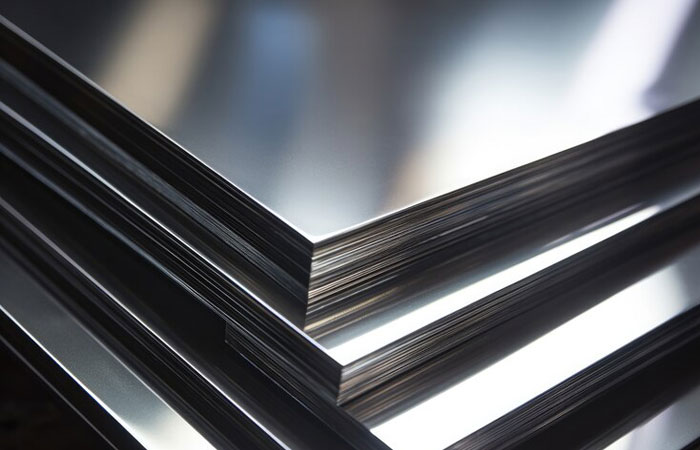
Realm of die and mould machining, the selection of materials is crucial as it directly impacts the performance, durability, and cost-effectiveness of the final product. Various materials are employed to meet the diverse demands of different applications, ranging from high-volume production to precision tooling. Here, we delve into the latest trends in materials used for die and mould machining, highlighting their properties, applications, and considerations for selection.
Tool Steels: Traditional tool steels remain a staple in die and mould manufacturing due to their excellent wear resistance, toughness, and machinability. Common grades include D2, H13, and P20, each tailored for specific applications. For instance, H13 is preferred for hot-working applications due to its resistance to thermal fatigue, while P20 is versatile for general-purpose moulds.
Carbides: Cemented carbides, such as tungsten carbide (WC-Co), are valued for their exceptional hardness and wear resistance, making them ideal for high-temperature and abrasive machining environments. Carbide inserts are widely used in cutting tools for milling, turning, and drilling operations, prolonging tool life and reducing machining costs.
Ceramics: Advanced ceramics like alumina (Al2O3) and silicon nitride (Si3N4) are gaining traction in die and mould machining due to their superior hardness, thermal stability, and chemical resistance. Ceramics are crucial for applications requiring high precision and wear resistance, such as injection moulding inserts and die casting dies.
Advanced Alloys: Nickel-based alloys and stainless steels are chosen for their corrosion resistance and high-temperature properties, suitable for moulds used in plastic injection moulding and die casting of non-ferrous metals. These alloys offer robust performance in aggressive manufacturing environments where durability and dimensional stability are paramount.
Considerations for Material Selection:
Application Requirements: The choice of material hinges on factors like operational temperatures, mechanical stresses, and chemical exposure. For instance, high-speed tool steels are selected for their ability to withstand rapid heating and cooling cycles in injection moulding.
Machinability: Ease of machining and tool wear are critical considerations, especially for intricate mould cavities and complex die shapes. Materials with good machinability reduce production time and costs.
Surface Finish: Certain materials are preferred for their ability to achieve superior surface finishes, crucial for moulds that dictate the cosmetic appearance of finished products.
Cost and Availability: Balancing performance requirements with cost-effectiveness is essential. Some high-performance materials may come at a premium, necessitating careful cost-benefit analysis.
Future Trends: The future of materials in die and mould machining is increasingly shaped by advancements in nanostructured materials, additive manufacturing (3D printing), and hybrid materials combining the benefits of metals and ceramics. Nanostructured materials promise enhanced mechanical properties and wear resistance, while additive manufacturing techniques enable the production of highly customized tooling with complex geometries.
The selection of materials for die and mould machining is a critical decision influenced by application-specific requirements, performance expectations, and technological advancements. As industries evolve, materials will continue to play a pivotal role in driving innovation and efficiency in manufacturing processes, ensuring that die and mould makers can meet the ever-growing demands for precision, durability, and cost-effectiveness in their products.
image courtesy: Designed by Freepik