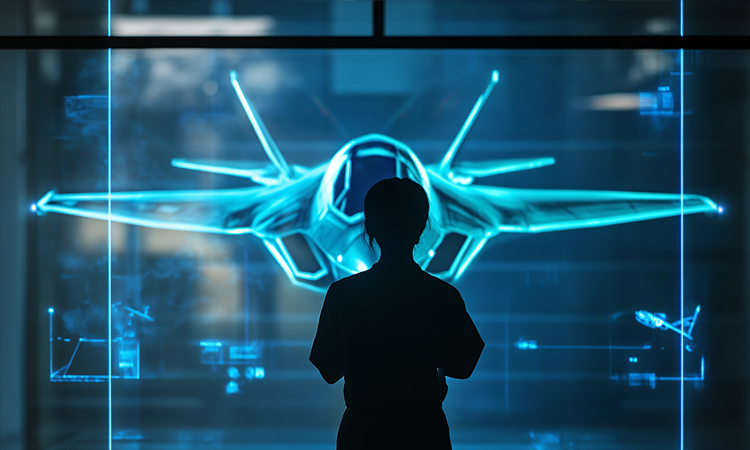
In the high-stakes world of aerospace manufacturing, precision, efficiency, and cost-effectiveness are paramount. The creation of intricate and mission-critical components demands meticulous planning and flawless execution. Amidst this environment, the integration of Digital Twins and advanced simulation technologies is revolutionizing aerospace part machining, offering unprecedented levels of optimization and risk mitigation.
A Digital Twin is a virtual replica of a physical asset, process, or system. In the context of aerospace part machining, this could be a complete virtual representation of a CNC machine, its tooling, the material being processed, and even the machining environment. This virtual counterpart is dynamically linked to its physical counterpart through sensors and data streams, providing a real-time understanding of its performance and behavior.
The benefits of employing Digital Twins and simulation in this domain are manifold. Firstly, simulation allows engineers to virtually test and optimize machining processes before any physical cutting takes place. By creating a digital model of the part and simulating various cutting strategies, toolpaths, and parameters, manufacturers can identify potential issues such as tool collisions, excessive vibrations, or inefficient material removal rates. This significantly reduces the risk of costly errors, material waste, and machine downtime on the shop floor in Thane, Maharashtra, India.
Secondly, Digital Twins enable predictive maintenance. By continuously monitoring the virtual representation of the CNC machine and its components, anomalies and potential failures can be detected early. Analyzing data on spindle vibrations, tool wear, and thermal behavior allows for proactive maintenance scheduling, minimizing unexpected breakdowns and maximizing machine uptime – a critical factor for meeting production deadlines in the competitive aerospace sector.
Furthermore, these technologies facilitate enhanced process optimization. By analyzing the vast amounts of data generated by the Digital Twin and simulation tools, manufacturers in Thane can gain deeper insights into their machining processes. This data-driven approach enables them to fine-tune cutting parameters, optimize tool selection, and improve overall efficiency, leading to reduced cycle times and lower manufacturing costs. For instance, simulating different cooling strategies in the hot and humid climate of Thane can help optimize tool life and part quality.
Moreover, Digital Twins and simulation play a crucial role in workforce training. New machinists can gain hands-on experience in a virtual environment, learning how to operate complex CNC machines and troubleshoot potential issues without the risk of damaging expensive equipment or materials. This accelerated learning curve helps build a skilled workforce ready for the demands of aerospace part machining in India.
The adoption of Digital Twins and simulation in aerospace part machining is not without its challenges. It requires significant investment in software, hardware, and skilled personnel. Data security and the seamless integration of virtual and physical systems are also critical considerations. However, the long-term benefits – including reduced costs, improved quality, faster time-to-market, and enhanced sustainability – far outweigh these challenges.
As the aerospace sector in India continues its upward trajectory, the strategic implementation of Digital Twins and simulation technologies in aerospace part machining will be a key differentiator for manufacturers in Thane and across the nation. By embracing these digital advancements, Indian companies can elevate their manufacturing capabilities, meet global quality standards, and solidify their position as vital players in the global aerospace value chain.