


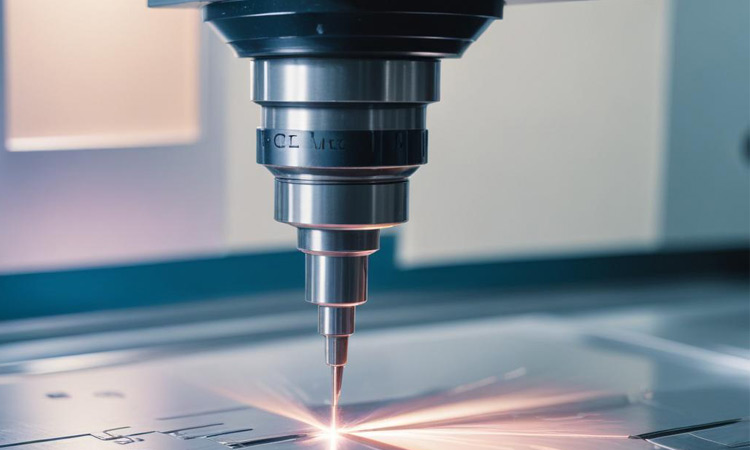
Tool inspection — the science of measuring, monitoring, and validating cutting tools and fixtures — is transforming rapidly. Once confined to basic checks in metrology labs, inspection has now become a dynamic, technology-driven pillar of shop-floor productivity. Rising demands for tighter tolerances, reduced downtime, and faster delivery have pushed inspection systems to evolve into integrated, data-powered ecosystems.
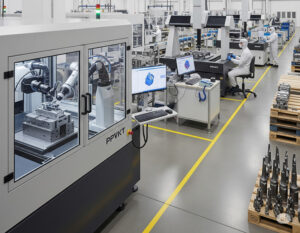
Modern inspection today combines hardware such as tool presetters, touch probes, laser scanners, and vision systems with advanced digital layers — software platforms, analytics dashboards, and links to MES/ERP systems. Together, these solutions are turning inspection from a routine quality task into a critical driver of efficiency and competitiveness.
This article explores the latest global trends in tool inspection and provides a country-level view of real-time adoption patterns.
Emerging Trends in Tool Inspection
1. Shift from manual to digital-first inspection
The era of random manual measurements is fading. Manufacturers are deploying digital inspection devices — from cloud-enabled presetters to automated vision and laser systems — that feed data directly into quality dashboards. This seamless integration allows immediate corrections on the shop floor, enhances traceability, and strengthens compliance with global standards. The digital inspection market is already expanding at a multi-billion-dollar scale, fuelled by the Industry 4.0 wave.
2. Smart presetters powered by IoT and AI
Presetters, once simple measuring tools, are evolving into intelligent hubs. Equipped with sensors, connectivity, and AI-driven algorithms, they can now predict tool wear, calculate remaining tool life, and even schedule tool changes in advance. These predictive features cut down waste, reduce unplanned stoppages, and allow lights-out operations. Market studies estimate the global presetter segment in 2025 to be valued in the high hundreds of millions to low billions of dollars, signaling strong adoption.
3. Rise of non-contact and vision-based methods
Laser scanning, structured light, and high-resolution cameras are gaining ground, especially for inspecting micro-tools, inserts, and complex geometries where tactile probes fall short. These technologies deliver faster results and minimize the risk of tool damage. Their growing share in new system sales highlights how non-contact inspection is redefining precision standards.
4. Modular inspection ecosystems
Manufacturers no longer want isolated devices. They are investing in modular ecosystems: a compact presetter, portable gauges, cloud analytics, and service contracts covering calibration, software upgrades, and KPI reporting. Inspection management software has become a booming category as firms seek to unify audits, records, and corrective workflows under one platform.
5. Democratization for small and mid-sized shops
A significant development is the accessibility of inspection technology. Compact, affordable presetters, handheld probes, and subscription-based software are enabling smaller workshops to achieve precision and faster setups without needing a full-scale metrology lab. This democratization is broadening the user base and fuelling overall market growth.
Country-Wise Snapshot
Global & Regional View
The inspection equipment market stood at about USD 1.7 billion in 2024 and is projected to reach nearly USD 1.8 billion in 2025. Asia-Pacific already holds the largest share — approximately 35.3% — thanks to its expanding manufacturing base and government-driven industrialization programs.
United States
North America, led by the U.S., accounts for nearly one-third of the global digital inspection market. The aerospace, automotive, and medical device industries are pushing adoption. American manufacturers are investing heavily in inspection management software, analytics, and smart presetters to strengthen process reliability and reduce quality costs.
China
China’s scale of manufacturing makes it one of the most promising inspection markets. Tool presetters, automated gauging, and vision systems are being rapidly adopted in automotive, electronics, and contract manufacturing. Forecasts consistently place China among the fastest-growing markets for tool inspection, supported by both private and state-backed industrial upgrades.
Japan
Japan’s machine tool and precision engineering sectors have long prioritized accuracy. Japanese manufacturers are among the earliest adopters of integrated inspection cells, non-contact solutions, and automated presetting systems. Industry statistics from events such as JIMTOF reflect steady investment in high-end inspection systems to support global exports.
Germany & Europe
Europe remains a powerhouse, with Germany at the core. The continent’s strong automotive, aerospace, and energy industries demand advanced inspection technologies and strict calibration standards. European firms continue to dominate in high-value tooling and inspection solutions, and the region accounts for a large proportion of the global tooling market.
India & Southeast Asia
India and neighboring Southeast Asian nations are transitioning quickly from manual inspection practices to digital solutions. Affordable presetters, portable probes, and cloud-based management platforms are being embraced by small and mid-sized workshops. Industrial growth initiatives such as Make in India are further accelerating investment in modern inspection tools.
Implications for Manufacturers
- ROI-focused investments: Quick returns — such as reduced scrap and faster tool setup — are convincing firms to adopt integrated inspection despite higher initial costs.
- Scalable adoption: Successful implementations often begin with a single inspection cell (presetter + probe + software) and expand as measurable KPIs like first-pass yield improve.
- Integration is key: Today, inspection accuracy is only half the story; seamless compatibility with CAM, ERP, and SPC systems is equally important.
- Human expertise remains vital: As inspection systems grow smarter, skilled oversight is still essential for calibration, training, and ensuring measurement reliability.
Tool inspection is no longer a support function operating on the sidelines of manufacturing. It has evolved into a central, connected process that directly impacts productivity, quality, and competitiveness. From billion-dollar forecasts in inspection software to APAC’s rising market share and North America’s digital push, the message is consistent: inspection is shifting from a cost centre to a value driver.
For manufacturers, the strategy is clear — invest in modular, digital inspection capabilities that shorten cycle times, reduce rework, and provide actionable insights. Whether in Detroit, Shanghai, Tokyo, Stuttgart, or Pune, tool inspection is fast becoming a decisive factor in global manufacturing success.