
From safety awareness to integrated Safety & Security solutions, Pilz India marks 15 years of supporting safer, smarter and more productive manufacturing.
As Indian manufacturing enters a new era defined by automation, robotics, digitalisation and increasingly connected production systems, machine safety has moved far beyond being a compliance requirement. It is becoming an integral part of machine design, operational efficiency, productivity and long-term business sustainability.
In this evolving environment, Pilz India is celebrating 15 years in 2026. Over the past decade and a half, the company has contributed to the development of machine safety awareness and competence across Indian industry, evolving from a supplier of safety components into a partner offering consulting, engineering, training and lifecycle support.
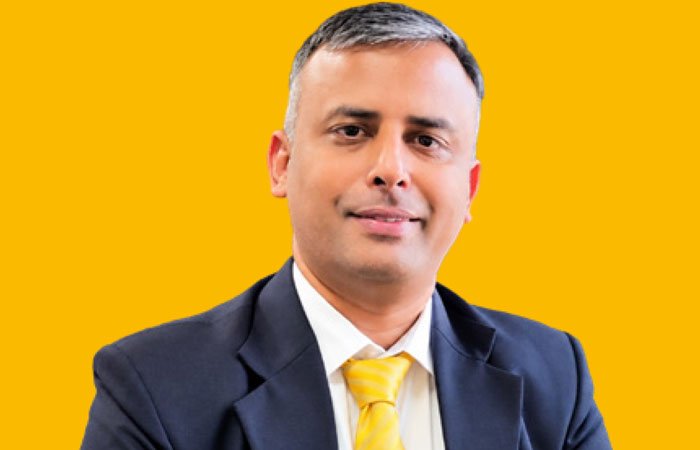
To understand this journey, the changing perception of machine safety and the opportunities emerging from India’s manufacturing transformation, THE MACHINING WORLD EXPRESS in interface with Mr. Prasad Gajewar, National Sales Manager, Pilz India.
Q) Pilz India celebrates 15 years in 2026. What have been the defining milestones?
When Pilz India began, machine safety was still evolving across many Indian industries. A key milestone has been our journey from creating safety awareness and supplying safety components to supporting customers with complete safety solutions, consulting, engineering and training.
Building local competence, earning customer trust as a Safety Partner, and combining global Pilz expertise with strong local support have defined our progress. Over the years, we have worked closely with machine builders, manufacturers and engineering teams to help them understand that safety is not simply an additional feature of a machine, but an essential element of its design and operation.
Q) How has the perception of machine safety evolved?
Earlier, safety was often considered at the final stage of machine development, after installation, or primarily from a compliance perspective. Today, we see a significant change. Many manufacturers are discussing safety right from the design stage. Customers increasingly recognise that well-designed safety systems not only protect people but can also support productivity, machine availability and overall competitiveness. When safety is integrated correctly, it can help minimise unplanned downtime, improve machine operation and provide greater confidence to operators.
However, the maturity levels still vary across industries and applications. Therefore, awareness creation and competence development remain important. There is a continuous need to educate machine builders, plant operators and engineering teams about risk assessment, safety standards and the correct implementation of safety systems.
Q) What role has Pilz India played in this transformation?
We help customers identify risks and implement practical, standards-based solutions across the machine lifecycle—from risk assessment and developing safety concepts to engineering, implementation and validation.
We also invest significantly in customer training because technology alone is not enough. Safety must be understood, correctly applied and properly maintained throughout the lifecycle of a machine. Our approach is therefore not limited to supplying a product. We look at the application, understand the hazards and operating conditions, and work with the customer to develop a solution that addresses the specific requirements of the machine and production environment.
Q) Which trends are shaping automation and machine safety?
Connected machinery, robot-based production lines, flexible manufacturing, digitalisation and plant modernisation are some of the major trends shaping industry today.
As machines become increasingly connected and automated, the relationship between functional safety and industrial security is becoming more important. Modern production environments involve communication between machines, control systems and digital platforms. This creates new requirements that need to be considered alongside traditional machine safety.
Another major requirement is skilled manpower. Industry needs professionals who understand machine hazards, safety standards, automation technologies and secure machine operation. Developing this competence will be essential as Indian manufacturing moves towards increasingly automated and digitally connected factories.
Q) How is Pilz helping customers prepare for Industry 4.0 and cybersecurity?
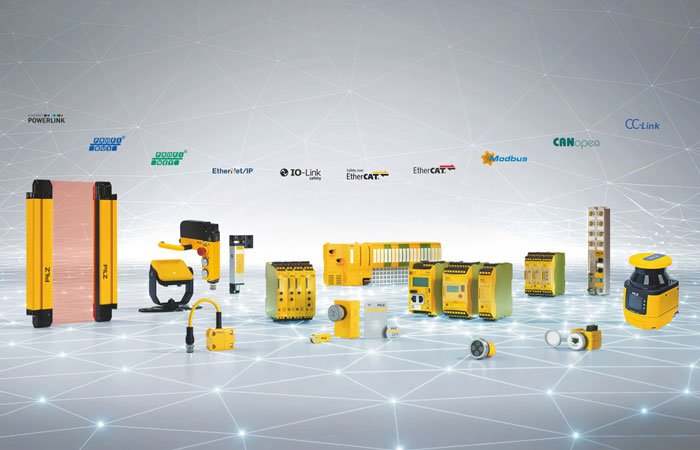
Pilz follows a holistic Safety and Security approach. As digitalisation and connectivity increase, safety and industrial security need to go hand in hand. Through training, risk assessment and safety solutions, we help machine builders and operators identify hazards, manage access rights and protect safety functions, machine availability and production data.
For modern factories, it is no longer sufficient to consider a machine only from a mechanical or electrical safety perspective. Its connectivity, access points and interaction with other systems also need to be considered. This integrated approach is becoming increasingly important as manufacturers modernise existing plants and introduce smart manufacturing technologies.
Q) What differentiates Pilz India?
Our strength lies in specialised machine safety expertise, lifecycle support and global experience combined with local application knowledge. Every machine and application has different operating conditions and risks. We therefore first understand the hazards, machine operation and customer requirements before developing a practical and effective solution.
This application-oriented approach allows us to support customers not only with technology but also with the knowledge and expertise required to implement safety effectively. Our objective is to become a long-term Safety Partner for customers rather than simply a component supplier.
Q) Where are the biggest opportunities for Pilz India?
We see opportunities across almost every major industry segment, including automotive, electronics, packaging, pharmaceuticals, food and beverage, logistics, material handling and other growing sectors.
Indian machine builders serving global markets represent another important opportunity. As these companies increasingly design and manufacture machines for international customers, compliance with global safety requirements becomes an important part of their competitiveness.
At the same time, there is significant potential in existing factories. Installed machines require safety upgrades, validation, training and secure modernisation as production requirements evolve. The combination of factory automation, legacy equipment and digital transformation creates a broad opportunity for safety improvements.

Q) What is your vision for the next chapter?
Our ambition is not only to support safer machines but also to contribute to building a stronger safety culture across Indian industry. Our vision is to support Indian manufacturing where safety, smart automation and industrial security progress together. Safety should become an integral part of every machine and every production process rather than something considered separately or at the end of a project.
With the right competence and technology, India can build manufacturing capabilities that protect people, machines and the environment while remaining productive, reliable and globally competitive. The next phase of manufacturing will demand a much closer integration of people, machines, automation, data and digital technologies. In this environment, safety will play an increasingly strategic role.
As Pilz India completes 15 years, the journey therefore represents more than a corporate milestone. It reflects the broader evolution of machine safety in India from awareness and compliance towards competence, integration, productivity and a comprehensive Safety & Security culture. For the years ahead, the opportunity is clear: helping Indian industry build machines and manufacturing systems that are not only smarter and more productive, but also fundamentally safer.