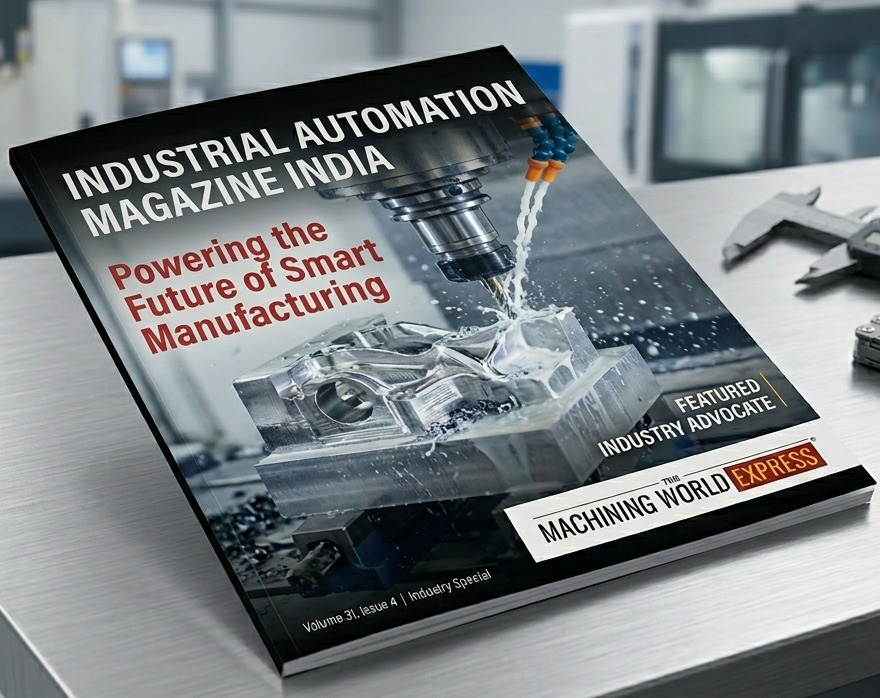
Industrial automation is rapidly transforming India’s manufacturing landscape. As industries strive to improve efficiency, reduce costs, and enhance productivity, automation technologies have become an essential part of modern manufacturing operations. From robotics and artificial intelligence to smart factories and Industrial Internet of Things (IIoT), businesses are embracing advanced technologies to remain competitive in an increasingly digital world.
For engineers, manufacturers, and industry professionals seeking the latest insights, an Industrial Automation Magazine India serves as a valuable resource. It provides information on emerging technologies, market trends, automation solutions, and best practices that help businesses stay ahead in the evolving industrial sector.
What is Industrial Automation?
Industrial automation refers to the use of control systems, software, robotics, and intelligent machinery to automate manufacturing processes and industrial operations. These systems reduce human intervention while improving accuracy, consistency, and production speed.
Modern automation technologies include:
- Industrial Robotics
- Artificial Intelligence (AI)
- Machine Learning
- Industrial IoT (IIoT)
- Smart Sensors
- CNC Automation
- Predictive Maintenance
- Automated Material Handling Systems
These technologies help manufacturers improve production quality while optimizing operational efficiency.
Why Industrial Automation is Important
The manufacturing industry faces growing demands for higher productivity, better quality, and faster delivery times. Industrial automation helps businesses meet these challenges effectively.
Improved Productivity
Automated systems can operate continuously with minimal downtime, increasing production output and maximizing efficiency.
Enhanced Product Quality
Automation ensures consistent manufacturing processes, reducing defects and maintaining high-quality standards.
Lower Operational Costs
By reducing waste, optimizing resource utilization, and minimizing manual labor requirements, automation helps lower production costs.
Increased Workplace Safety
Robotic systems and automated equipment reduce worker exposure to hazardous industrial environments.
Better Decision Making
Real-time monitoring and data analytics allow manufacturers to make informed decisions and improve operational performance.
Industry 4.0 and Smart Manufacturing
Industry 4.0 represents the next phase of manufacturing evolution. It combines digital technologies, automation, connectivity, and data analytics to create intelligent production environments.
Smart factories use interconnected machines and systems that communicate in real time. These systems collect valuable production data and provide actionable insights that help improve efficiency and reduce downtime.
Key Industry 4.0 technologies include:
- Artificial Intelligence
- Industrial IoT
- Cloud Computing
- Digital Twins
- Big Data Analytics
- Cyber-Physical Systems
As adoption increases across India, businesses are leveraging these technologies to enhance competitiveness and accelerate growth.
Role of Industrial Automation Magazines
An Industrial Automation Magazine India plays an important role in educating industry professionals about the latest developments in manufacturing technologies.
These publications typically cover:
Automation Technologies
Updates on robotics, AI, IIoT, machine vision, and factory automation systems.
CNC Machining and Machine Tools
Insights into advanced machining technologies, cutting tools, and precision manufacturing solutions.
Manufacturing Trends
Industry analysis, market forecasts, and emerging opportunities in the industrial sector.
Expert Interviews
Opinions and insights from industry leaders, engineers, and technology specialists.
Product Innovations
Information about newly launched industrial equipment, software, and automation solutions.
By providing reliable and up-to-date information, industrial magazines help businesses make informed technology investment decisions.
CNC Automation and Precision Manufacturing
CNC machining is one of the most significant applications of industrial automation. Modern CNC machines integrate advanced software and automated systems to deliver exceptional accuracy and efficiency.
Benefits of CNC automation include:
- Improved precision
- Faster production cycles
- Better repeatability
- Reduced material waste
- Enhanced product quality
Industries such as automotive, aerospace, medical devices, electronics, and heavy engineering rely heavily on CNC automation for manufacturing complex components.
Robotics in Modern Manufacturing
Industrial robots are becoming increasingly common across manufacturing facilities. These robotic systems perform tasks such as:
- Welding
- Assembly
- Packaging
- Inspection
- Material Handling
Robotics improves productivity while maintaining consistent quality standards. As technology becomes more affordable, even small and medium-sized manufacturers are investing in robotic automation solutions.
Challenges in Automation Adoption
Although industrial automation offers numerous advantages, businesses may face several implementation challenges.
Initial Investment Costs
Advanced automation systems often require substantial upfront investment.
Skilled Workforce Requirements
Organizations need trained professionals to operate, maintain, and optimize automated systems.
Integration Complexity
Connecting new automation technologies with existing production systems can be challenging.
Cybersecurity Risks
As manufacturing systems become more connected, protecting industrial networks and data becomes increasingly important.
Despite these challenges, the long-term benefits of automation generally outweigh the initial obstacles.
Future of Industrial Automation in India
India’s industrial sector is expected to witness significant growth in automation adoption over the coming years. Government initiatives such as Make in India and increased investments in manufacturing infrastructure are accelerating digital transformation across industries.
Future trends include:
- AI-powered factories
- Collaborative robots (Cobots)
- Autonomous manufacturing systems
- Smart supply chains
- Sustainable manufacturing technologies
- Advanced predictive analytics
Companies that embrace automation today will be better positioned for future growth and global competitiveness.
Conclusion
Industrial automation is revolutionizing manufacturing in India by improving productivity, efficiency, quality, and safety. Technologies such as robotics, AI, CNC automation, and Industry 4.0 solutions are enabling businesses to optimize operations and remain competitive in rapidly evolving markets.
An Industrial Automation Magazine India serves as an essential source of knowledge for engineers, manufacturers, and industry professionals. By staying informed about emerging technologies and manufacturing trends, businesses can successfully navigate the future of smart manufacturing and achieve long-term success in the industrial sector.