
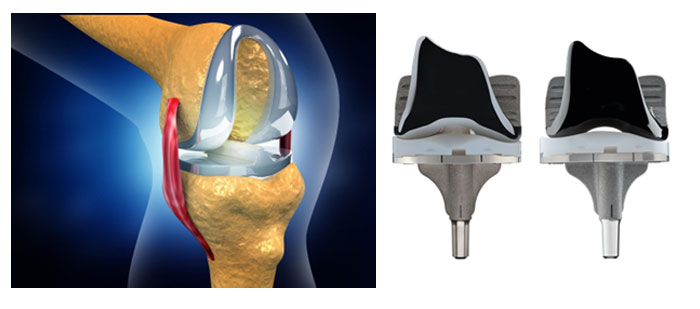
The medical implant industry demands exceptional levels of precision, consistency, and surface integrity. Components such as hip and knee implants, surgical drills, trauma fixation devices, and orthopedic instruments are commonly manufactured from difficult-to-machine materials including medical-grade stainless steel and specialty alloys. Achieving superior surface finishes while maintaining productivity remains one of the biggest challenges for implant manufacturers. To address these challenges, Oelheld has developed advanced grinding oil technologies that significantly enhance machining performance and process reliability.
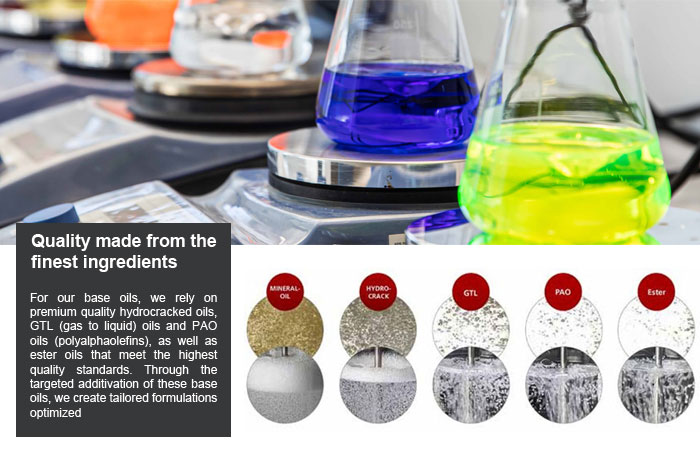
Oelheld’s high-performance grinding oils, particularly the innovative SintoGrind TTK and SintoGrind TTS, are based on advanced Polyalphaolefin (PAO) technology. These products have been specifically engineered for demanding grinding operations where surface quality, dimensional accuracy, and process efficiency are critical requirements. Their unique formulation provides a combination of superior lubrication, cooling capability, and process stability that directly benefits manufacturers of precision medical components.
One of the most significant advantages of the SintoGrind range is its ability to achieve two to three times higher stock removal rates while simultaneously delivering exceptional surface finishes. This enables manufacturers to increase productivity without compromising component quality—an important factor in an industry where every micron matters. The advanced lubricating properties also help reduce grinding forces, resulting in lower spindle power consumption and improved energy efficiency across production operations.
Grinding wheel performance is another crucial factor in implant manufacturing. Frequent wheel dressing and replacement can increase costs and production downtime. Oelheld’s PAO-based technology significantly extends grinding wheel life by reducing wear and maintaining optimal cutting conditions throughout the grinding process. This not only lowers tooling costs but also contributes to more consistent machining results.
For manufacturers producing surgical-grade stainless-steel components, Oelheld has introduced SintoGrind HSS-X 1400, a next-generation grinding oil developed using advanced Gas-to-Liquid (GTL) technology. Specifically designed for stainless steel grinding applications, this product offers outstanding performance while delivering several process-enhancing benefits.
SintoGrind HSS-X 1400 effectively minimizes burr formation and prevents surface burning, two common challenges that can compromise the quality and functionality of medical implants and surgical instruments. Its excellent air-release properties ensure stable grinding conditions and efficient cooling, even during demanding operations. The result is enhanced process reliability, superior surface quality, and reduced rejection rates.
In addition to performance benefits, Oelheld products contribute to a safer and cleaner working environment. Their high flash points improve operational safety, while low evaporation and low misting characteristics reduce fluid consumption and improve workplace conditions. Excellent filterability supports higher flow rates and cleaner systems, helping manufacturers maintain optimal machine performance over extended production cycles.
Another important advantage is the elimination of cobalt leaching during grinding operations. This helps preserve tool quality and metallurgical integrity, ensuring that critical medical components meet stringent quality and regulatory standards.
As the medical implant sector continues to demand higher precision, improved productivity, and greater process reliability, Oelheld’s advanced grinding oil technologies provide manufacturers with a proven solution. Through innovations such as SintoGrind TTK, SintoGrind TTS, and SintoGrind HSS-X 1400, Oelheld is helping implant manufacturers achieve superior machining performance, lower operating costs, and consistently high-quality medical components that support better patient outcomes worldwide.