




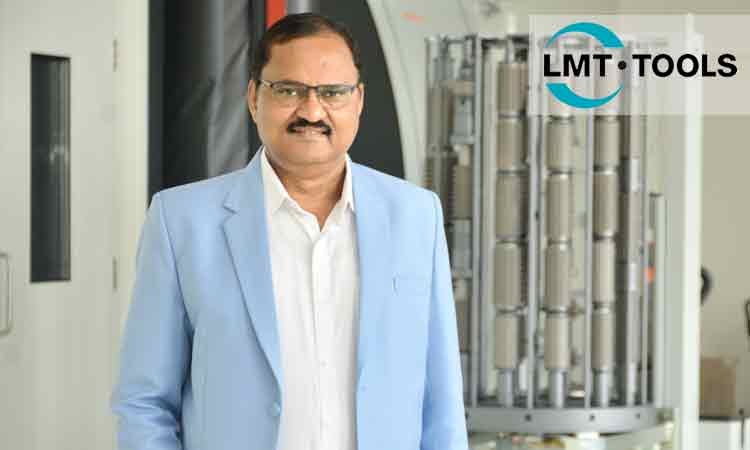
As India advances in precision and automation, gear manufacturing is becoming critical. LMT Tools India is strengthening its capabilities through advanced gear-cutting solutions, local manufacturing and customer-focused engineering. Mr. Ramakant Reddy, Managing Director, LMT Tools India Pvt. Ltd., discusses industry demands, localisation, technology and the company’s vision.
Q) India’s gear manufacturing industry is undergoing a significant transformation. How do you view this evolution, and what role is LMT Tools India playing?
The Indian gear manufacturing industry is becoming more technology-driven and quality-conscious. While capacity and cost competitiveness were once primary priorities, gear manufacturers also focus on dimensional accuracy, process reliability, productivity and cost per component.
LMT Tools India supports this evolution by bringing advanced gear-cutting technologies closer to gear manufacturers. Our role extends beyond supplying tools; we contribute through application engineering, process optimisation and technical support. India’s potential depends on global technology combined with local expertise.
Q) What are the key technological challenges faced by Indian gear manufacturers today?
A major challenge is maintaining consistent quality at competitive production costs. Gear manufacturers produce complex geometries with tighter tolerances and demanding surface finish requirements.
Tool performance is crucial. Customers must balance cutting speed, tool life, accuracy and efficiency. E-Mobility and aerospace also introduce new component designs requiring specialised machining strategies.
Process stability is equally important. Tools must deliver predictable results over extended production cycles. We help customers select suitable tooling and optimise machining parameters for repeatable performance & faster production turnout.
India can strengthen its position as a global manufacturing and export hub through sustained investment in technology, skilled manpower and infrastructure.
We are optimistic. LMT Tools India will support manufacturers with advanced gear-cutting technology, dependable engineering expertise and solutions that help them compete globally.
Q) How important is localisation in strengthening LMT Tools India’s competitiveness?
Localisation is a strategic priority.
Customers expect global technology, quicker delivery, responsive service and understanding of domestic manufacturing conditions.
Our Pune facility strengthens our presence and builds capabilities closer to customers, while contributing to a stronger local manufacturing ecosystem. India is not only a growing market but also a strategically important manufacturing destination.
We aim to strengthen local capabilities while upholding LMT Group quality and technological standards. Our Pune plant is not only supporting domestic demands but also supplying to customers across the globe.
Q) What distinguishes LMT Tools India in the competitive gear-cutting tools market?
Our differentiation combines engineering knowledge, technological depth and customer engagement. We consider the component, machine, material, production volume and quality expectations before recommending solutions.
Technical collaboration helps identify opportunities to reduce cycle time, productivity improvement and enhance process reliability. We measure customer success by overall manufacturing improvement, not merely by an individual tool’s performance. Our teams also work to understand production bottlenecks and the priorities of each customer, ensuring recommendations are practical, technically sound and aligned with commercial objectives. This close partnership becomes increasingly valuable as manufacturers modernise facilities, introduce new gear designs and seek dependable performance across demanding production schedules.
Continuous learning and knowledge exchange remain central to building capability across India today.
Q) Which sectors offer the strongest growth opportunities for gear-cutting technologies in India?
Automotive remains a major sector, encompassing conventional and electric powertrains. Opportunities are also growing in industrial gearboxes, wind energy, railways, heavy engineering and general machinery, where precision gears must meet demanding operating conditions.
Wind power is creating specialised gear manufacturing opportunities, while infrastructure and industrial development are driving demand for advanced gearbox technologies. Diversification across sectors will support the continued growth of precision gear manufacturing.
Q) How do advanced materials and tool-design innovations influence productivity?
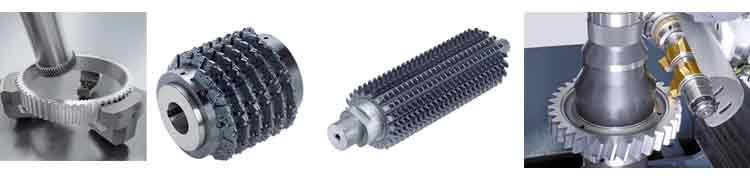
Gear Cutting Tools must withstand demanding conditions. Geometry, substrate,coating and manufacturing accuracy cumulatively contribute in cutting tools performance. High-speed steel and carbide solutions provide different benefits depending on the application.
Advanced designs can raise cutting efficiency, extend tool life. Results also depend on selecting appropriate process parameters. Our application-specific approach helps customers improve productivity and component quality rather than relying on standardised recommendations.
Q) How recent investments and initiatives are planned to strengthen LMT Tools India’s market position?
We are focused on manufacturing capabilities, technical infrastructure and customer engagement. The expansion of our Pune facility reflects confidence in India’s long-term potential. It creates a stronger platform to serve customers across more gear-cutting applications.
Our investments aim to establish a sustainable growth foundation, not simply respond to short-term demand. We want LMT Tools India to contribute actively to the rapidly evolving manufacturing ecosystem.
Q) What is your outlook for the Indian gear manufacturing industry over the next five years?
Investments in automotive, electric mobility, renewable energy and aerospace will create substantial opportunities.
Manufacturers will increasingly priorities precision and productivity. Competitive production of high-quality gears will become a key differentiator.